Walk into any inner-city club on a Friday arvo and you will see the pokies humming before you even smell the coffee. The real question for most locals is not whether the machines are loud, but what is the average spin cost on pokies before a session turns into a proper drain on the wallet. I have spent years building growth around luxury hospitality and tech-led experiences across Southeast Asia, which means I judge a floor by how it respects the punter’s time and bankroll, not just by how many screens it stacks. A well-run room should feel like a packed Melbourne tram: plenty of movement, clear signage, and nobody left guessing where the next stop is. That same discipline applies to spin pricing, because a confusing cost structure is the quickest way to turn a casual session into a rushed one.
How Spin Pricing Actually Breaks Down
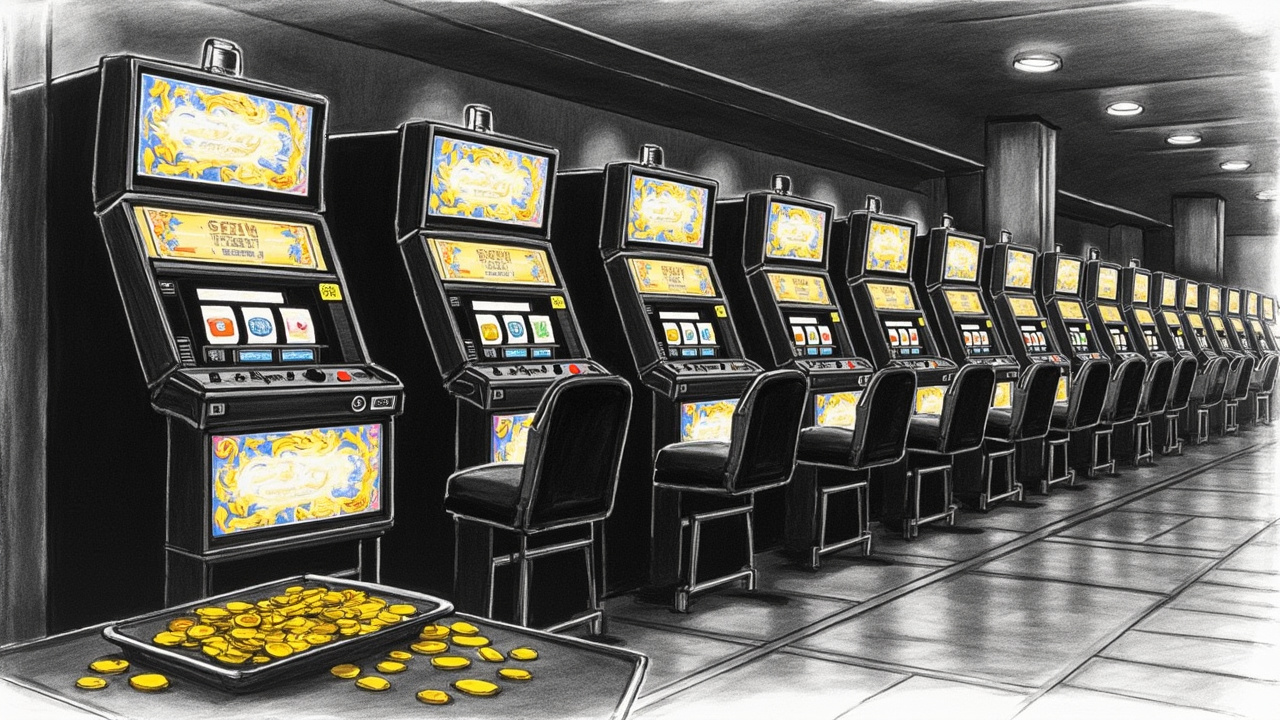
The first thing to understand is that pokies do not charge a single flat rate per press. You are usually choosing between a base bet, a lines-per-spin setting, and any multiplied features that kick in once the reels start turning. A modest session might run at twenty cents a spin on a three-line setup, while a heavier player might push toward one or two dollars once they start layering lines and special rounds. The trick is that the advertised button price is rarely the full picture, because a multiplied feature or a bonus buy can quietly lift the effective cost per round. I have watched operators in Macau and Singapore price their floors the same way a luxury brand prices a handbag: the entry point looks approachable, but the real spend reveals itself once you start layering extras. That is why a clear breakdown matters more than a single headline number.
When you are weighing up a room, look for how the interface presents the bet ladder. A clunky menu that hides the total per spin behind three separate toggles is a red flag, because it turns every adjustment into a small gamble in itself. Good localisation matters here too: if the screen speaks in dollars and cents, shows the per-spin total in plain text, and keeps the currency consistent across the cashier and the game lobby, you are less likely to misread a session. I have seen rooms in Hobart that do this well, with signage that treats the pricing like a menu rather than a mystery, and that same clarity carries through to the mobile version. If you are logging in from the train on the way home, the bet controls should be as readable as a delayed Sydney train timetable: obvious, current, and impossible to misread when you are half distracted. fairgologin-aus.com
Reading The Room Before You Feed The Machine
Cost is only half the conversation, because the other half is how the room itself shapes your pacing. A crowded floor with machines packed shoulder to shoulder can make you rush your bets just to keep up with the noise, while a room with better spacing and clearer sightlines lets you settle into a rhythm. That is the difference between a Saturday queue at a Bunnings sausage sizzle, where everyone is patient because the process is visible, and a chaotic room where you are guessing what the next spin actually costs. I have built growth around relationship-led businesses where the experience is the product, and the same logic applies here: if the floor feels considered, you make better decisions about your bankroll instead of reacting to the crowd.
The people who study a room properly are not chasing a system, they are reading the conditions. Punters study the yard for signs of a horse’s condition, and the same kind of attention pays off on a pokies floor: you notice which machines are drawing a steady line of players, which screens are showing clear bet totals, and which ones are buried in a corner where the pricing is harder to verify. That kind of observation is not about predicting outcomes, it is about choosing where your money is being spent with the least friction. A room that presents its costs openly, keeps the language and currency consistent, and lets you adjust your bet without hunting through menus is the one where you can actually control your session instead of letting the floor control it.
Matching Spin Cost To Your Own Session
The right spin cost depends entirely on what kind of session you are planning, and there is no single setting that suits everyone. A twenty-minute visit after work might be fine at twenty-five cents a spin on a single line, because the goal is a short, controlled run rather than a marathon. Someone settling in for a longer arvo might prefer a dollar or two per spin across multiple lines, because the pace is slower and the per-round cost is easier to track against a set bankroll. The key is that the bet should match the session length, not the other way around, because a high per-spin cost on a short visit burns through a bankroll before you have had a chance to settle into the rhythm.
If you are playing on mobile, the same principle applies, but the interface has to carry the weight. A screen that shows the total per spin in plain text, keeps the currency consistent with the cashier, and lets you adjust lines without opening a hidden menu is the one that keeps your session readable when you are sitting on the couch instead of standing at a machine. I have seen rooms that treat mobile as a second-class floor, with bet controls buried in menus and pricing that changes depending on how you got there, and that is the kind of friction that turns a controlled session into a rushed one. The better rooms treat the phone like a proper extension of the floor, with the same clarity on pricing, the same language, and the same expectation that you should always know what a spin is costing you before you press the button. What Is The Average RTP Of
If you are weighing up where to start, a clear login path and a room that presents its pricing up front makes the whole session easier to manage, and that is exactly what you get when you log in through fairgologin-aus.com. For a deeper look at how returns are calculated on the same machines, it helps to read a related piece on what is the average RTP of pokies, because the spin cost and the return rate are two sides of the same coin.
Glossary
- Base bet – the core amount wagered on each spin before lines or features are added.
- Lines per spin – the number of paylines active, which multiplies the total bet per round.
- Effective spin cost – the real amount spent per spin once lines, multipliers, and features are included.
- RTP – return to player, the long-run percentage a machine is built to pay back over many spins.
- Bonus round – a separate feature triggered during play that can change the pace and cost of a session.